


LEAD-FREE BECOMES A NEW DIRECTION FOR THE PAINT INDUSTRY, IPMA SUPPORTS KANSAI PAINT’S INNOVATION
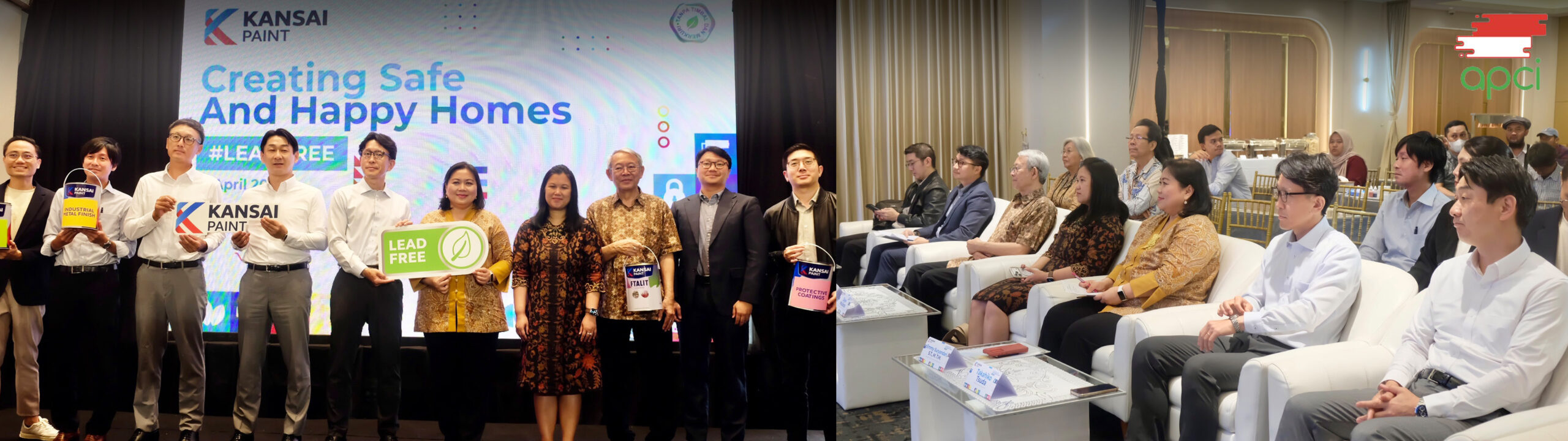
The Indonesian Paint Manufacturers Association (IPMA) participated in a press conference hosted by PT. Kansai Prakarsa Coatings (KPC-Kansai Paint) regarding its lead-free paint innovation, held on April 16, 2026, at Aroem Mahakam Resto, Cafe & Ballroom. This participation reflects IPMA’s support for industry efforts to deliver products that are safer for both human health and the environment.
At the event, Markus Winarto, Secretary General of IPMA, along with other IPMA representatives, attended as invited guests and reaffirmed IPMA’s commitment to encouraging the transformation of Indonesia’s paint industry toward more sustainable practices.
🎨 Industry Innovation: Paint as Protection, Not Just Decoration
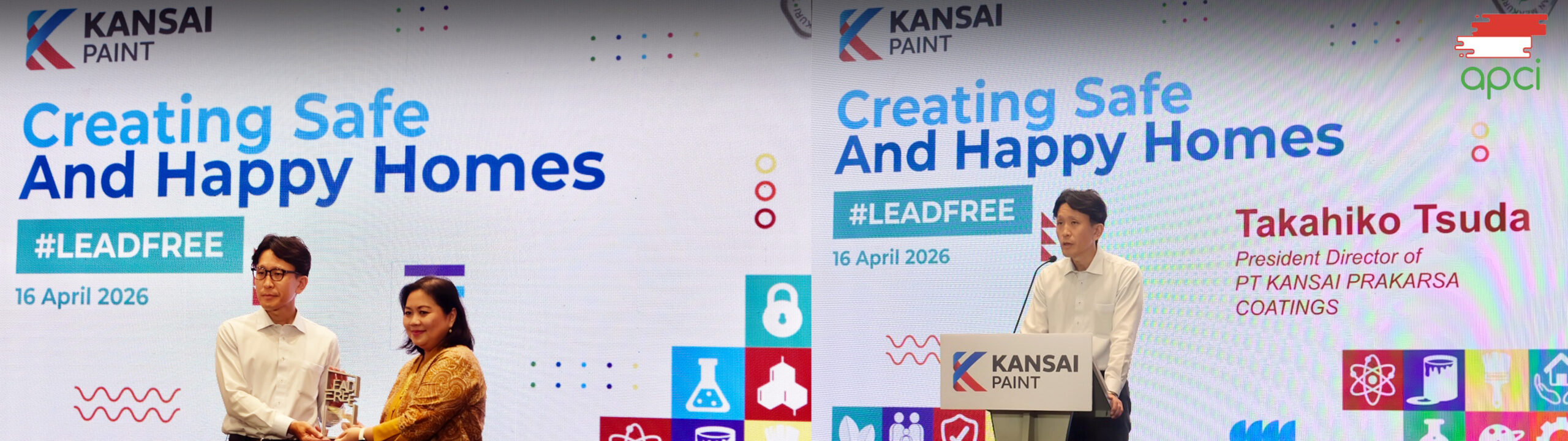
Kansai Paint introduced its lead-free paint innovation that complies with Indonesian National Standards (SNI), with a lead content maximum limit of 90 ppm in accordance with recommendations from the World Health Organization (WHO).
Takahiko Tsuda, President Director of PT Kansai Prakarsa Coatings, stated:
“Kansai Paint believes that paint is not only for beautification, but also contributes to safety, comfort, and quality of life. We present a portfolio of lead-free paints with Japanese technology to promote healthier living spaces.”
Meanwhile, Marketing Manager of PT Kansai Prakarsa Coatings, Jemmy Haryono, added:
“Through our vision Enrich Lives with Happiness, we remain focused on environmental sustainability and health. Kansai Paint ensures that all paint solutions comply with national standards (SNI) and align with international best practices.”
This implementation is further reinforced through SNI certification for solvent-based decorative paints with a lead content maximum limit of 90 ppm
 🏛️ Government Support: A Competitive Industry Must Also Be Responsible
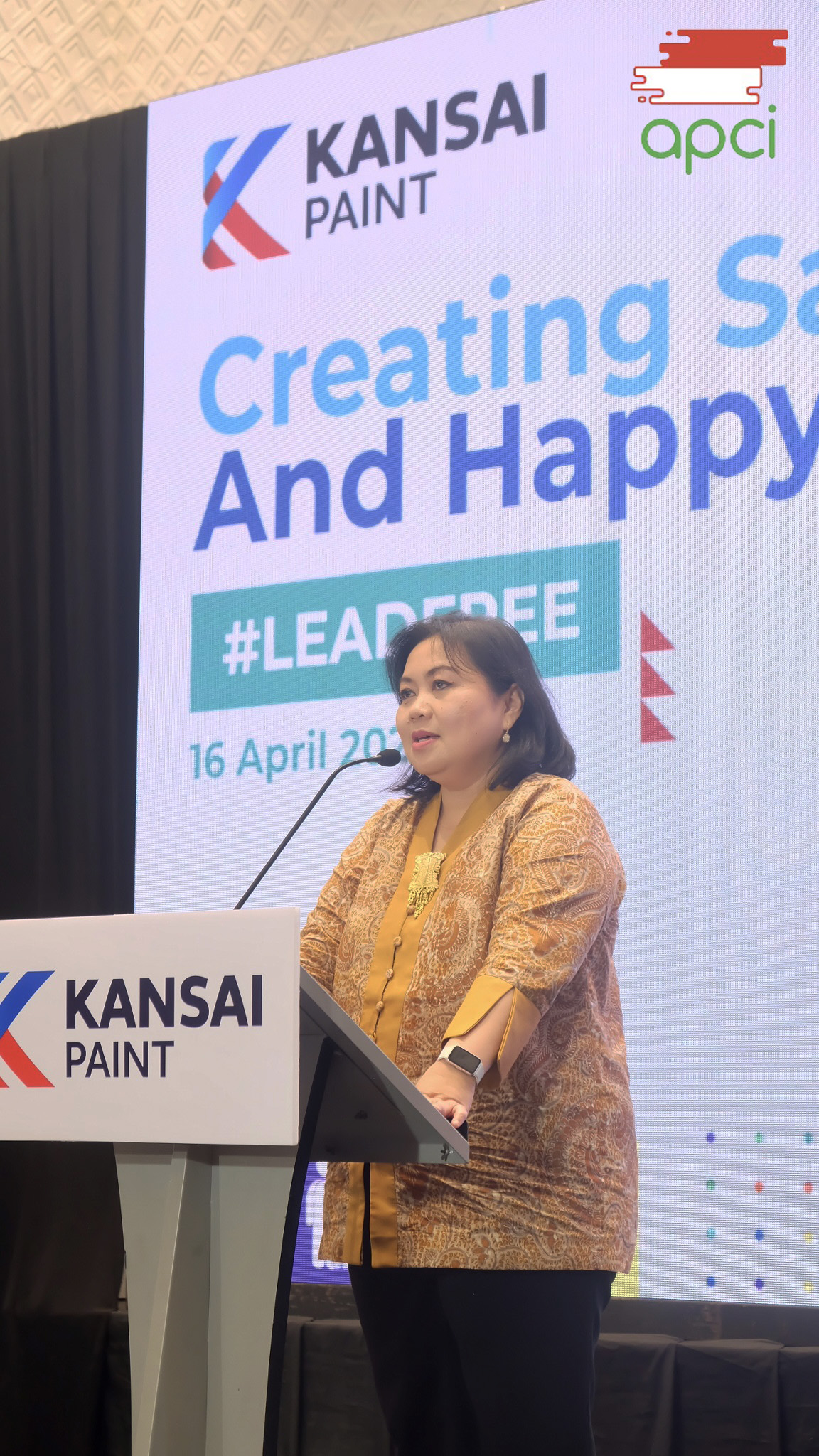
Emmy Suryandari, Head of the Agency for Industrial Standardization and Service Policy (BSKJI), Ministry of Industry of the Republic of Indonesia, emphasized that the paint industry is a strategic and continuously growing sector.
With an installed capacity of 1.5 million metric tons per year and employing around 36,000 workers, product quality and safety are key to maintaining industry sustainability.
“The government is committed to encouraging industries that are not only competitive but also responsible. We appreciate industry players who are taking steps to provide safer products for the public,” she stated.
 🌍 Global Collaboration: Eliminating Lead Risks Together
Ivan Mahardika from the Lead Exposure Elimination Project (LEEP) highlighted that lead exposure remains a critical issue, particularly for children’s development.
“We welcome the positive initiatives from Indonesian paint manufacturers committed to producing lead-free paints. This is an important step to ensure safer homes and buildings for everyone,” he explained.
 🧠 Health Risks: The Hidden Danger of Lead Exposure
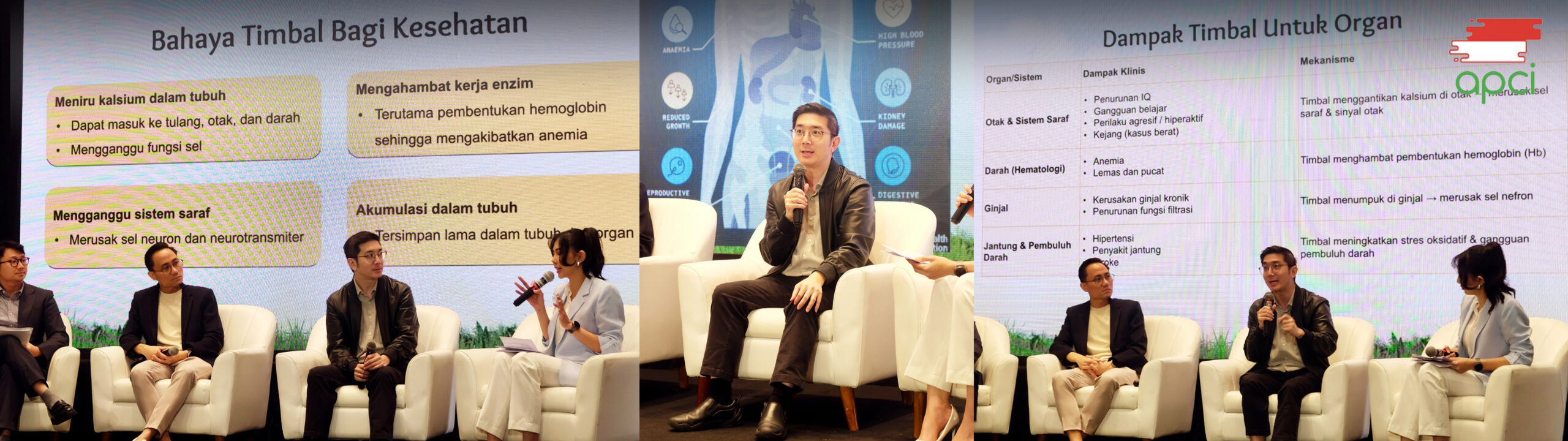
Dr. Laurentius Aswin, Sp.PD-KEMD, explained that long-term exposure to lead can have serious health impacts.
“Lead can affect brain development and children’s cognitive abilities, as well as impact adult health. Therefore, selecting the right building materials is essential,” he noted.
Exposure can occur in everyday environments such as playgrounds or public facilities, where children may come into contact with contaminated dust or surfaces.
 🏢 IPMA Education: Understanding the Meaning of ‘Lead-Free’
IPMA emphasizes the importance of a proper understanding of the term “lead-free.” Markus Winarto explained that the term does not mean zero (0 ppm), but rather refers to levels below the safe threshold recommended by the World Health Organization (WHO), which is a maximum of or does not exceed 90 ppm.
He also explained that paint consists of five main components:
- Resin (binder)
- Pigment (colorant)
- Extender (filler)
- Additives
- Solvent
Lead is found in certain pigments, not in all types of pigments. One of the most common is lead chromate (PbCrO₄), which is used to provide bright colors and enhance durability.
In addition, it is important to note that lead chromate pigments are generally only used in solvent-based paints, such as coatings for metal or wood that use thinner or oil as solvents. These pigments are not used in water-based paints, such as wall paints. Therefore, wall paints are generally free from lead chromate pigments and are relatively safer in this regard.
In the past, lead was widely used due to its advantages, such as brighter colors, weather resistance, anti-corrosion properties, and relatively lower cost. However, due to its health risks, the industry is now shifting toward safer alternatives, despite challenges in cost and performance.
🤝 Towards a Sustainable Industry: Collaboration for a Healthier Future
IPMA welcomes various initiatives from industry players, government, and international organizations in promoting lead-free paints. Cross-sector collaboration is a crucial step toward building a more responsible industry while protecting public health.
Through its participation in this event, IPMA reaffirmed its role as a strategic partner in supporting the development of a more environmentally friendly and sustainable paint industry in Indonesia.