


TRANSFORMATION OF THE PAINT AND COATING INDUSTRY FROM INDUSTRY 1.0 TO INDUSTRY 4.0
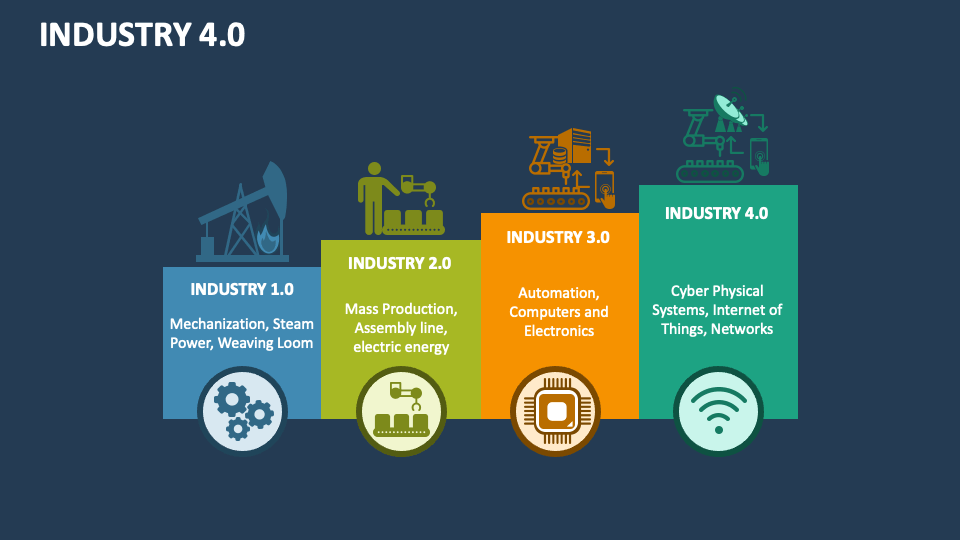
The evolution of global industry from Industry 1.0 to Industry 4.0 has brought significant changes to the paint and coating industry, particularly in terms of production technology, process efficiency, product quality, and regulatory compliance.
Industry 1.0 – Early Mechanization
During the early industrial revolution, paint production relied on basic mechanical processes, with limited quality control and non-standardized formulations. At this stage, industrial regulations and standards were still minimal and undeveloped.
Industry 2.0 – Mass Production
With the advent of mass production, the paint industry began adopting assembly lines, electrical power, and basic product standardization. The need for consistent quality led to the development of technical specifications and early industrial standards.
Industry 3.0 – Automation and Electronics
The industry entered a phase of automation, electronic control systems, and standardized laboratory testing. During this period, Indonesian National Standards (SNI) became increasingly important in ensuring product quality, safety, and performance within the domestic market.
Industry 4.0 – Digitalization and Integrated Systems
In the Industry 4.0 era, the paint and coating industry utilizes digital technologies, the Internet of Things (IoT), smart automation, and integrated data systems across production and supply chains.
This transformation enhances efficiency, transparency, and traceability, while strengthening compliance with government regulations.
Regulatory and Compliance Relevance in the Paint Industry
Technological advancement is closely aligned with strengthened regulatory frameworks, including:
- Implementation of Domestic Component Level (TKDN) policies to promote the use of local materials and services.
- Development and enforcement of Indonesian National Standards (SNI) for Paints and Coatings.
- Formulation of SKKNI (Indonesian National Work Competency Standards) to ensure qualified human resources.
- Compliance with Minister of Industry Regulations and other technical policies supporting sustainable industrial growth.
Commitment of the Indonesian Paint Industry
The Indonesian paint and coating industry is committed to:
- Continuously adopting industrial technological advancements
- Ensuring compliance with national regulations and standards
- Supporting government policies for domestic industrial strengthening
- Enhancing product quality and competitiveness in both domestic and international markets
The transition toward Industry 4.0 represents not only technological progress, but also a commitment to compliance, standardization, and industrial responsibility.